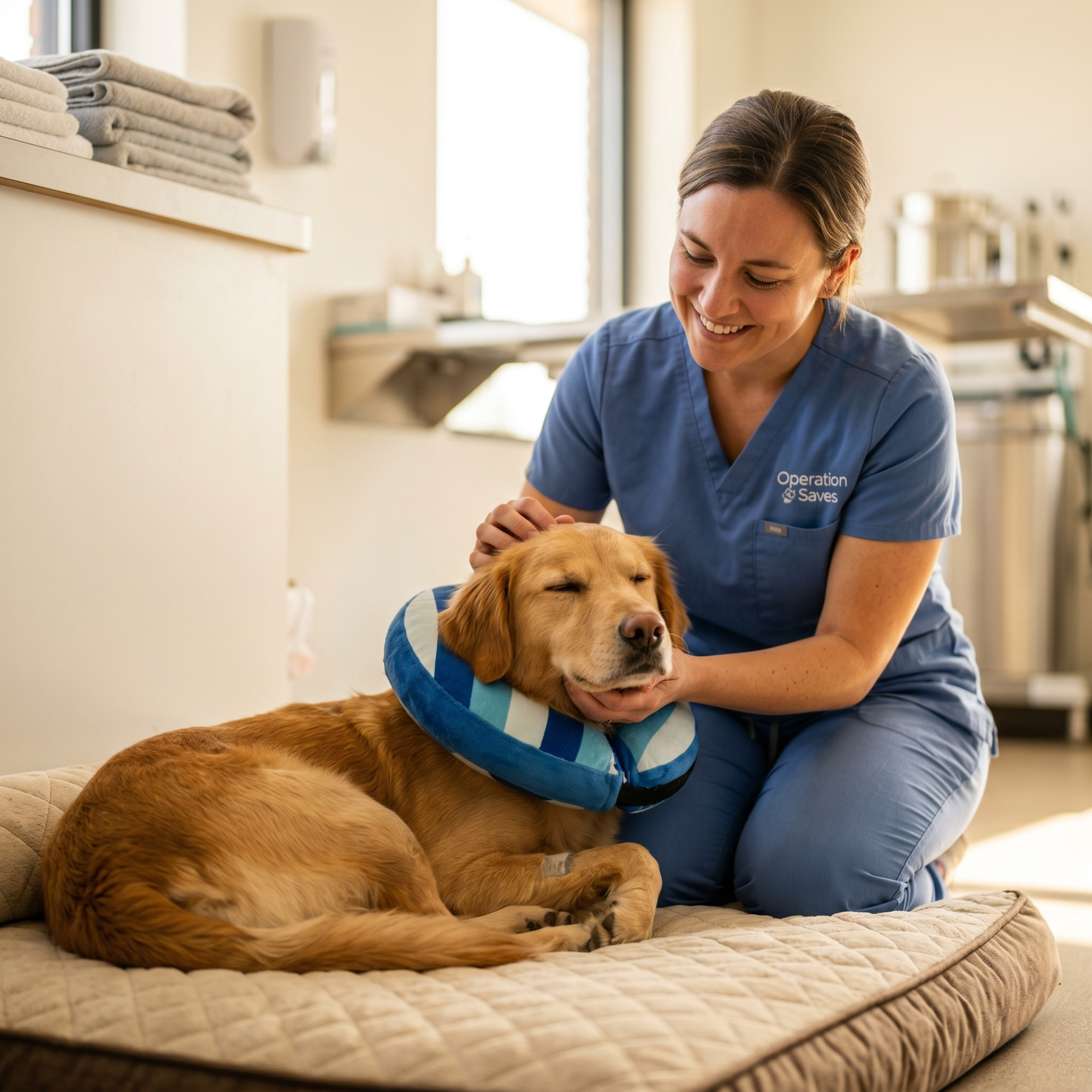



Welcoming a new rescue pet into your home is an incredibly rewarding experience.
You're not just gaining a furry friend; you're giving a deserving animal a second chance at a happy life.
But just like any new relationship, it takes time, patience, and understanding to build a strong bond. At Operation Saves, we’ve seen countless successful adoptions, and we want to equip you with the knowledge to make your new pet’s transition as smooth as possible. That’s where the “3-3-3 Rule” comes in—a helpful timeline that outlines what to expect in the first three days, three weeks, and three months.
The First 3 Days: Decompression
The first few days with your new pet are all about helping them decompress. Think about it from their perspective: they’ve likely been in a stressful shelter environment, and now they’re in a new place with new people, sights, and sounds. It’s completely normal for them to be scared, shy, or even a bit shut down.
What to expect:
- Your pet may hide, be wary of you, or not show much of their personality.
- They might not eat or drink much.
- Accidents are common, even if they’re house-trained.
How you can help:
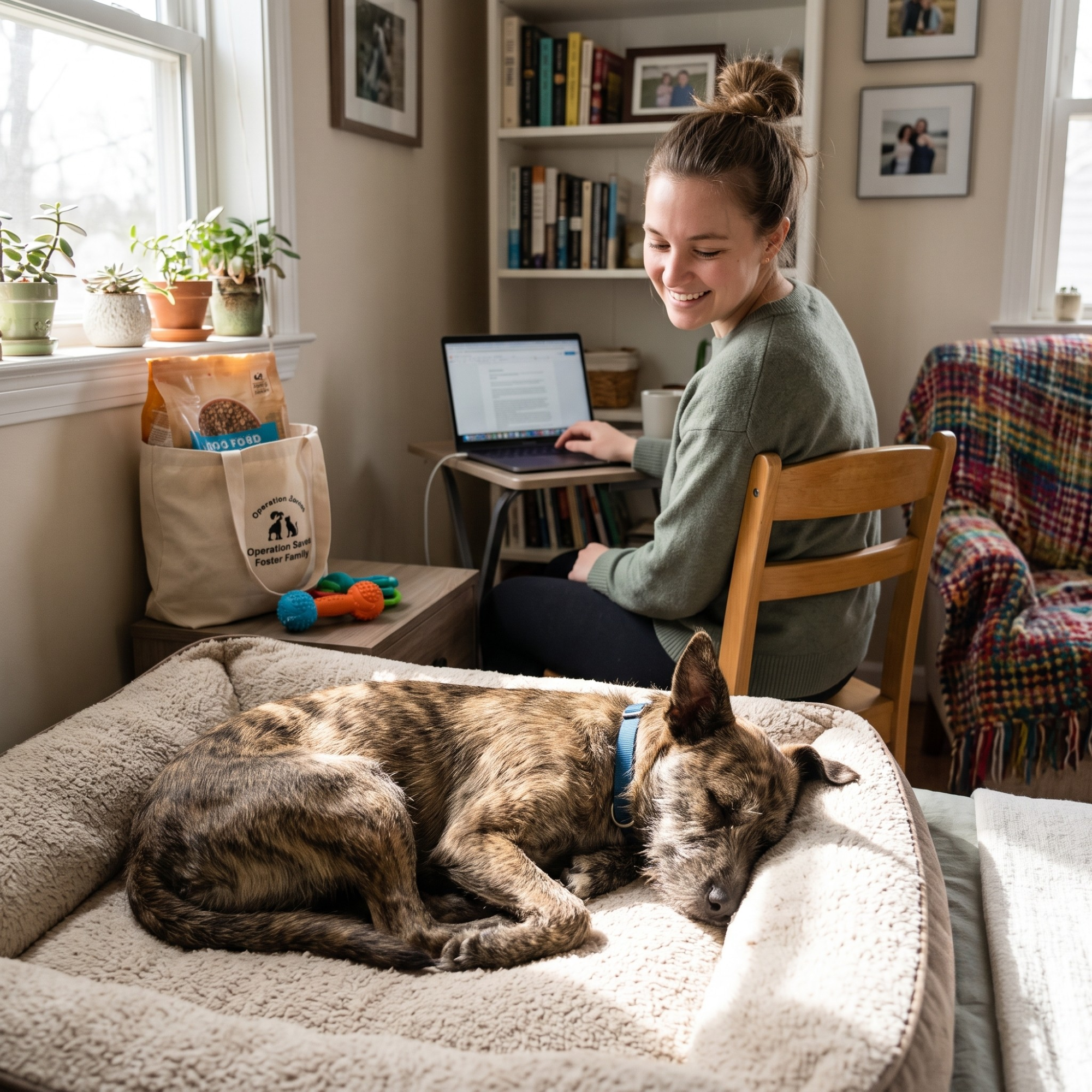
- Create a safe space: Designate a quiet area in your home, like a crate or a separate room, where your pet can retreat when they feel overwhelmed.
- Keep it calm: Limit visitors and avoid loud noises.
- Establish a routine: Stick to a consistent schedule for feeding, potty breaks, and bedtime.
- Give them space: Don’t force interactions. Let them come to you when they’re ready.
The First 3 Weeks: Settling In
After a few weeks, your new companion will start to feel more comfortable and their true personality will begin to emerge. They’ll learn your routine and start to understand that they’re in a safe and loving home.
What to expect:
- Your pet will start to show their playful, curious, or goofy side.
- They’ll begin to test boundaries to see what they can get away with.
- You’ll see them start to relax and let their guard down.
How you can help:
- Be consistent: Stick to the rules and routines you’ve established.
- Start training: Begin with basic commands using positive reinforcement.
- Introduce new things slowly: Gradually expose them to new people, places, and other pets in a controlled and positive way.
- Make it fun: Engage them in playtime and provide plenty of enriching toys.
The First 3 Months: Building a Bond
By the three-month mark, your pet should feel like a true member of the family. They’ve built trust with you, and a deep, loving bond has formed.
What to expect:
- Your pet will be comfortable and confident in their new home.
- You’ll have a strong sense of their unique personality and quirks.
- They’ll look to you for guidance and comfort.
How you can help:
- Continue training and socialization: Building on the foundation you’ve created will help your pet become a well-behaved and confident companion.
- Explore together: Go on adventures to new parks, trails, or pet-friendly patios.
- Cherish the moments: Enjoy the incredible bond you’ve built and the joy your rescue pet brings to your life.
Our Mission: Saving Animals, Helping People
At Operation Saves, we’re not just passionate about finding loving homes for animals in need; we’re also dedicated to our Community Outreach mission. We provide job training and experience to at-risk youth and individuals with disabilities, empowering them to build brighter futures. When you support us, you’re not just saving an animal—you’re helping to build a stronger community.
Ready to change a life? Submit an Adoption Application to find your new best friend. If now isn’t the right time to adopt, consider making a Monetary Donation to support our life-saving work or Sign Up to Foster or Volunteer to make a hands-on difference.
Disclaimer: The information in this article is for educational purposes only and is not a substitute for professional veterinary or certified training advice. All potential adopters are subject to an extensive application and approval process to ensure the best possible match for our animals and their new families.