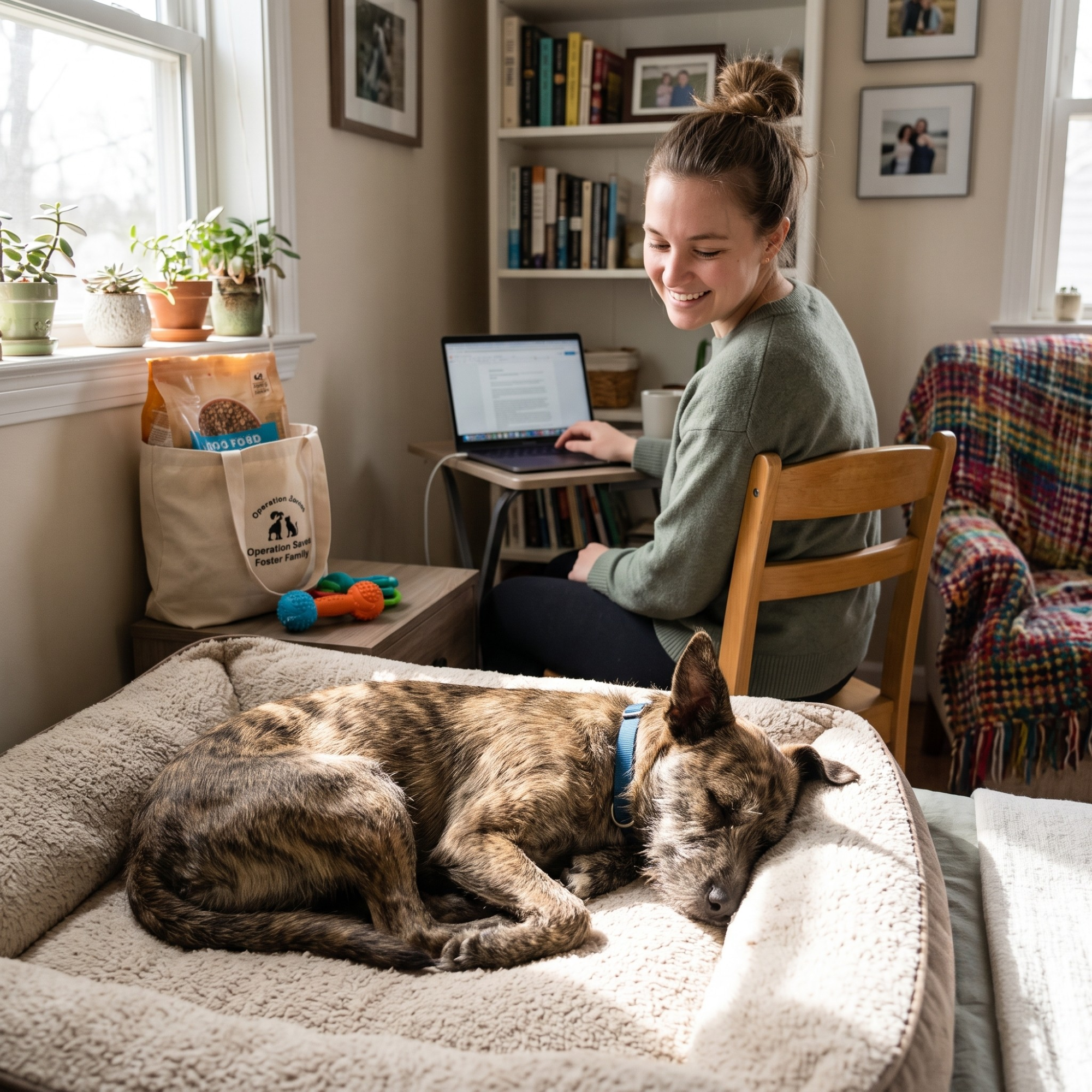


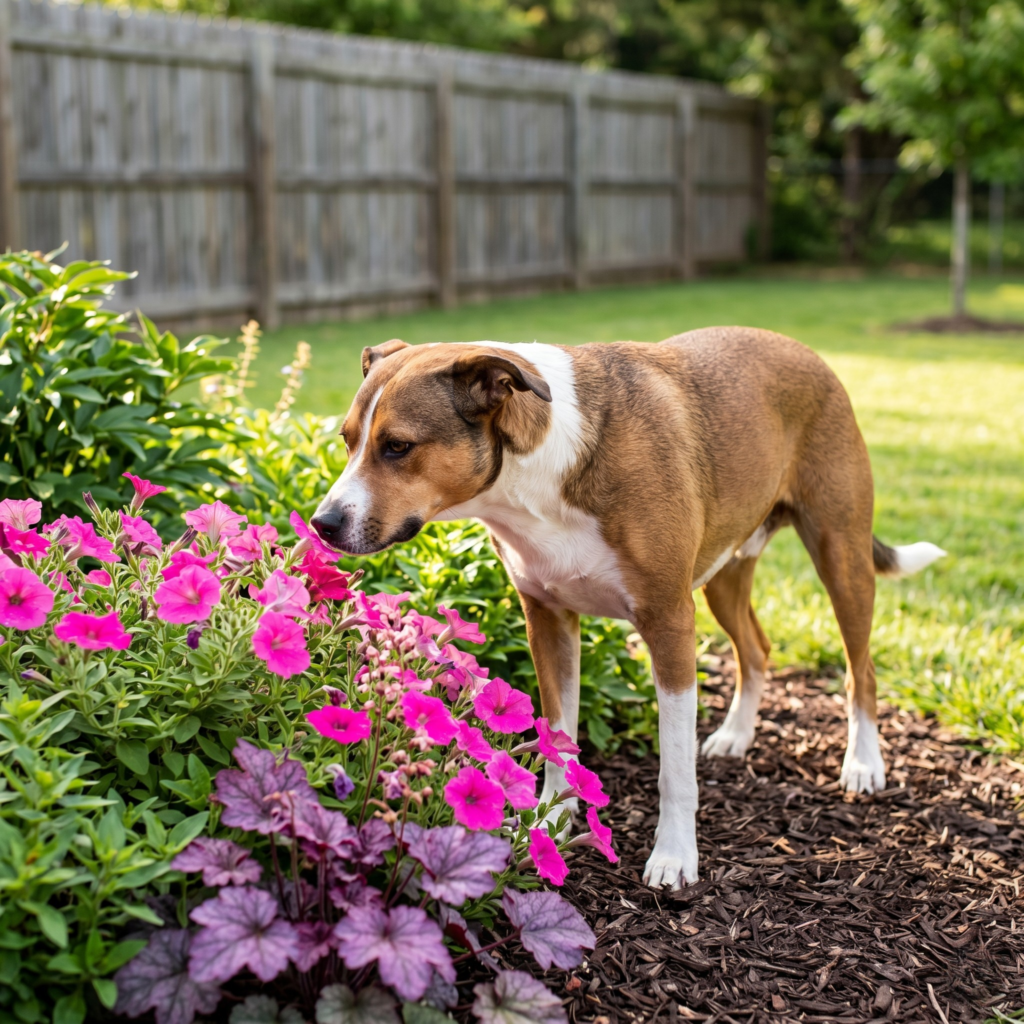
As the vibrant spring and summer foliage blooms across Northwest Ohio, our backyards transform into beautiful oases that can sometimes hide dangerous secrets for our pets.
By learning to identify common toxic plants and intentionally planting pet-safe alternatives, you can create a stunning, worry-free outdoor sanctuary for your entire furry, feathered, and scaled family.
Here at Operation Saves, we care for an incredibly diverse array of animals—from dogs and cats to goats, mini horses, tortoises, and iguanas. Because our Toledo-area sanctuary is home to so many different species, our staff and volunteers must be hyper-vigilant about the greenery growing around our enclosures. What might be a harmless snack for one animal can be a life-threatening toxin to another.
Whether you are letting your new rescue dog explore the backyard, building an outdoor run for your guinea pigs, or setting up a hobby farm for goats, being a mindful landscaper is crucial. Here is our guide to spotting toxic NW Ohio plants and swapping them out for safe, beautiful alternatives.
Common NW Ohio Culprits to Remove
Many of the most popular landscaping plants in our region pose severe risks to companion animals and livestock. If you share your yard with animals, keep a close eye out for these common hazards:
- Yew (Taxus) Bushes: These popular, evergreen landscaping shrubs are highly toxic. Every part of the yew plant (except the fleshy red berry aril) contains taxine, which can cause sudden cardiac failure in dogs, cats, horses, and goats.
- True Lilies: While beautiful, true lilies (like Easter, Tiger, and Asiatic lilies) are profoundly dangerous to cats. Ingesting even a tiny amount of pollen or drinking the water from a vase can cause fatal acute kidney failure.
- Hostas: A staple in Toledo shade gardens, hostas contain saponins that are toxic to dogs, cats, and horses, causing severe gastrointestinal upset if eaten.
- Black Walnut Trees: Native to Ohio, these trees drop walnuts that quickly grow a toxic mold (Penitrem A). If a dog ingests a moldy walnut from the yard, it can cause severe neurological issues and seizures. The wood and shavings are also highly toxic to horses.
Safe and Beautiful Alternatives
You do not have to sacrifice a beautiful garden to keep your pets safe! By swapping out hazardous plants for pet-friendly alternatives, you can have the best of both worlds:
- Instead of Hostas, Plant Coral Bells (Heuchera): These stunning, shade-loving plants offer gorgeous, colorful foliage and are entirely non-toxic to dogs and cats.
- Instead of Lilies, Plant Petunias or Snapdragons: You can still have vibrant, show-stopping blooms in your garden beds and pots without the risk of feline toxicity.
- Instead of Yew, Plant Rosemary or Dogwood shrubs: If you need a dense shrub or border plant, look into pet-safe, fragrant herbs or native dogwood varieties.
Safe Foraging for Herbivores
If you share your home with rescue rabbits, guinea pigs, tortoises, or iguanas, your backyard can actually be a wonderful source of free, fresh enrichment—as long as you do not treat your lawn with chemical fertilizers or pesticides!
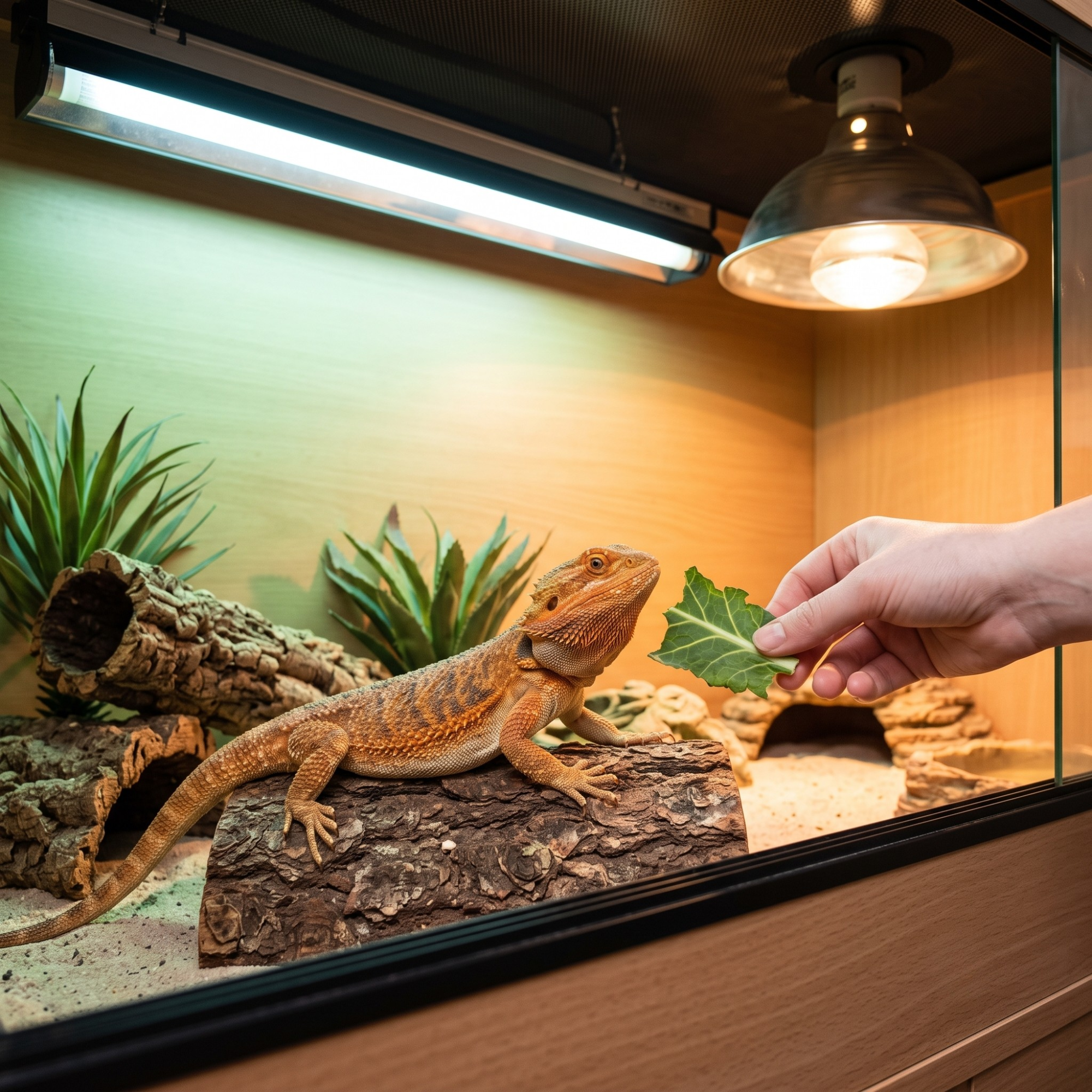
- Dandelions: The entire plant (flower, stem, and leaves) is a highly nutritious, safe treat for rabbits, guinea pigs, and tortoises.
- Clover and Plantain Weed: These common broadleaf weeds are excellent, fiber-rich snacks for your backyard herbivores.
- Always ensure you properly identify a plant before feeding it to your exotic pets, and wash all foraged greens thoroughly!
The Operation Saves Mission: Cultivating Care
Identifying safe and toxic plants is a core lesson in our community outreach programs. When the at-risk youth and individuals with disabilities in our job training programs help us maintain the sanctuary grounds, they learn hands-on botany and environmental safety. Teaching a participant how to confidently identify and harvest safe dandelion greens for our resident tortoises, or helping them pull toxic weeds away from the goat fencing, fosters an incredible sense of responsibility. They learn to view the environment through the eyes of the animals they are protecting, building profound empathy and practical landscaping skills.
Ready to Make Your Yard a Haven?
Creating a safe environment is the first step in responsible pet ownership. If your backyard is ready for a new companion, or if you want to help us maintain our beautiful, pet-safe sanctuary grounds, get involved today!
- View Our Adoptable Pets to find the perfect dog, cat, or farm animal to enjoy your yard.
- Submit a Volunteer Application to get your hands dirty helping us maintain our sanctuary gardens and enclosures.
- Make a Donation to help us purchase pet-safe seeds, landscaping tools, and fresh produce for our rescue animals.
Disclaimer: All potential adopters are subject to an extensive application and approval process to ensure proper placement and care for our animals. The information provided in our blog is for educational purposes and is not a substitute for professional veterinary advice. If you suspect your pet has ingested a toxic plant, contact your veterinarian or the ASPCA Animal Poison Control Center immediately.