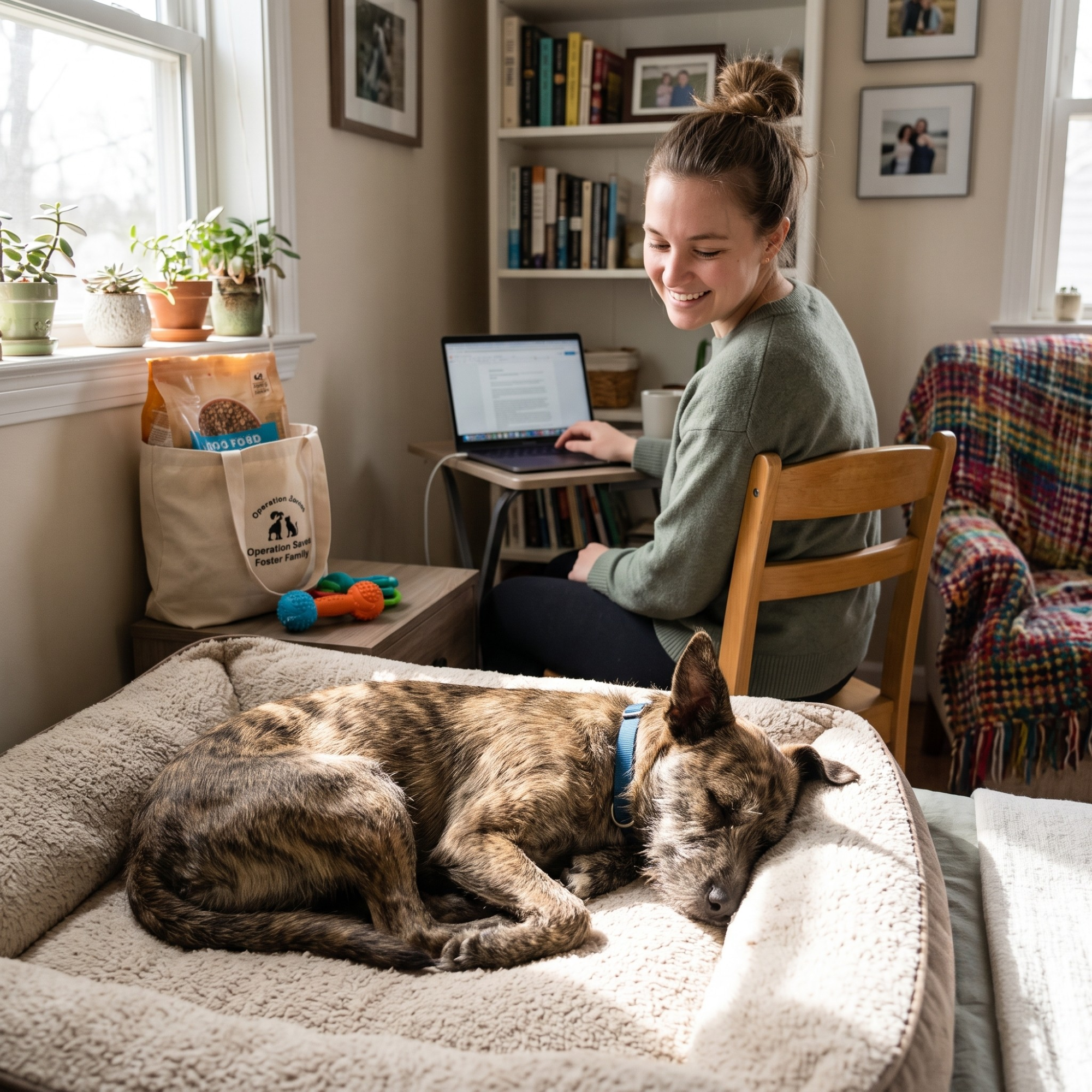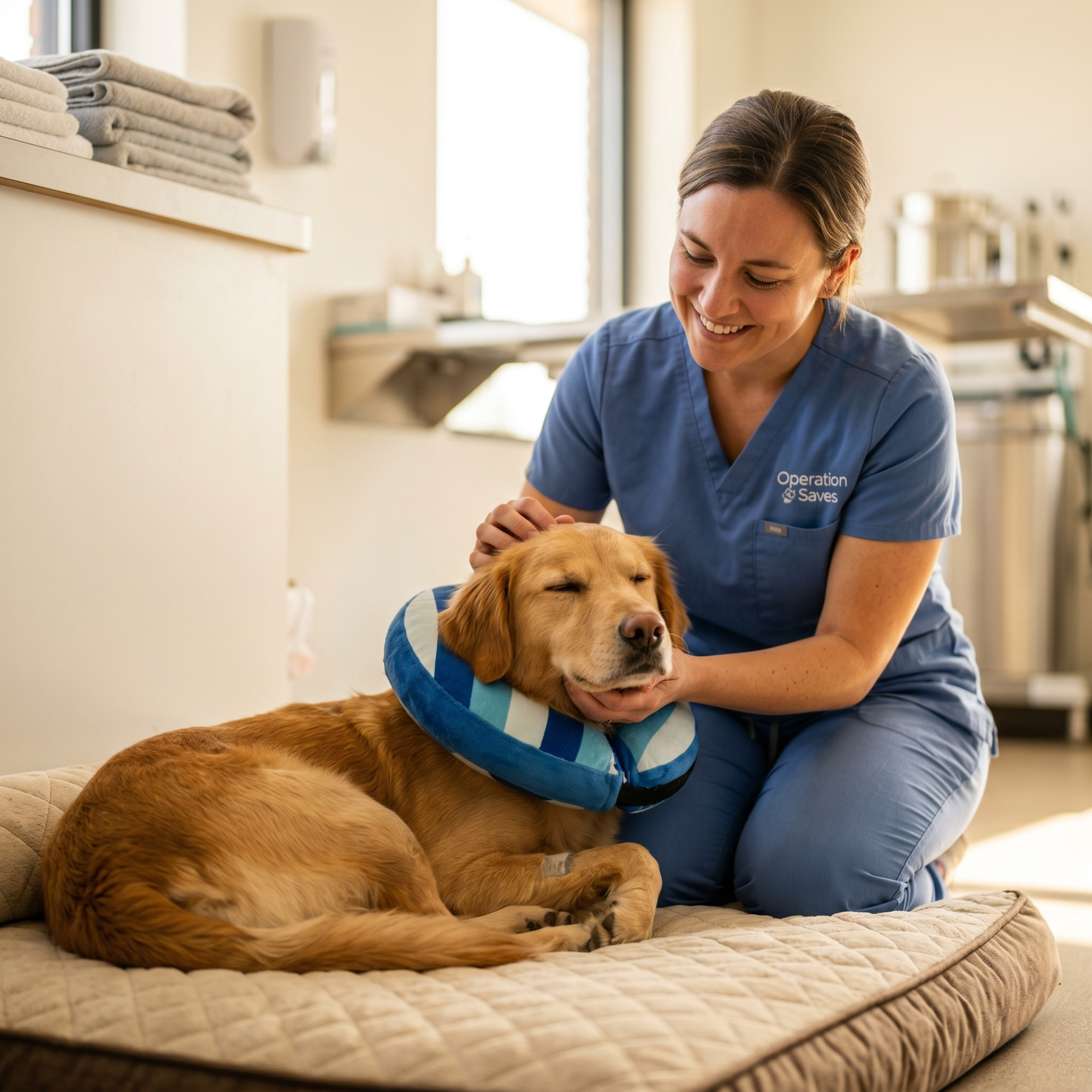


Bringing a rescue pet into your life means building a deep, loving bond, but sometimes that bond makes saying goodbye—even just to run errands—incredibly difficult for your new companion.
By understanding the root of separation anxiety and implementing gentle, practical routines, you can help your shelter pet feel safe and secure whenever you leave your Northwest Ohio home.
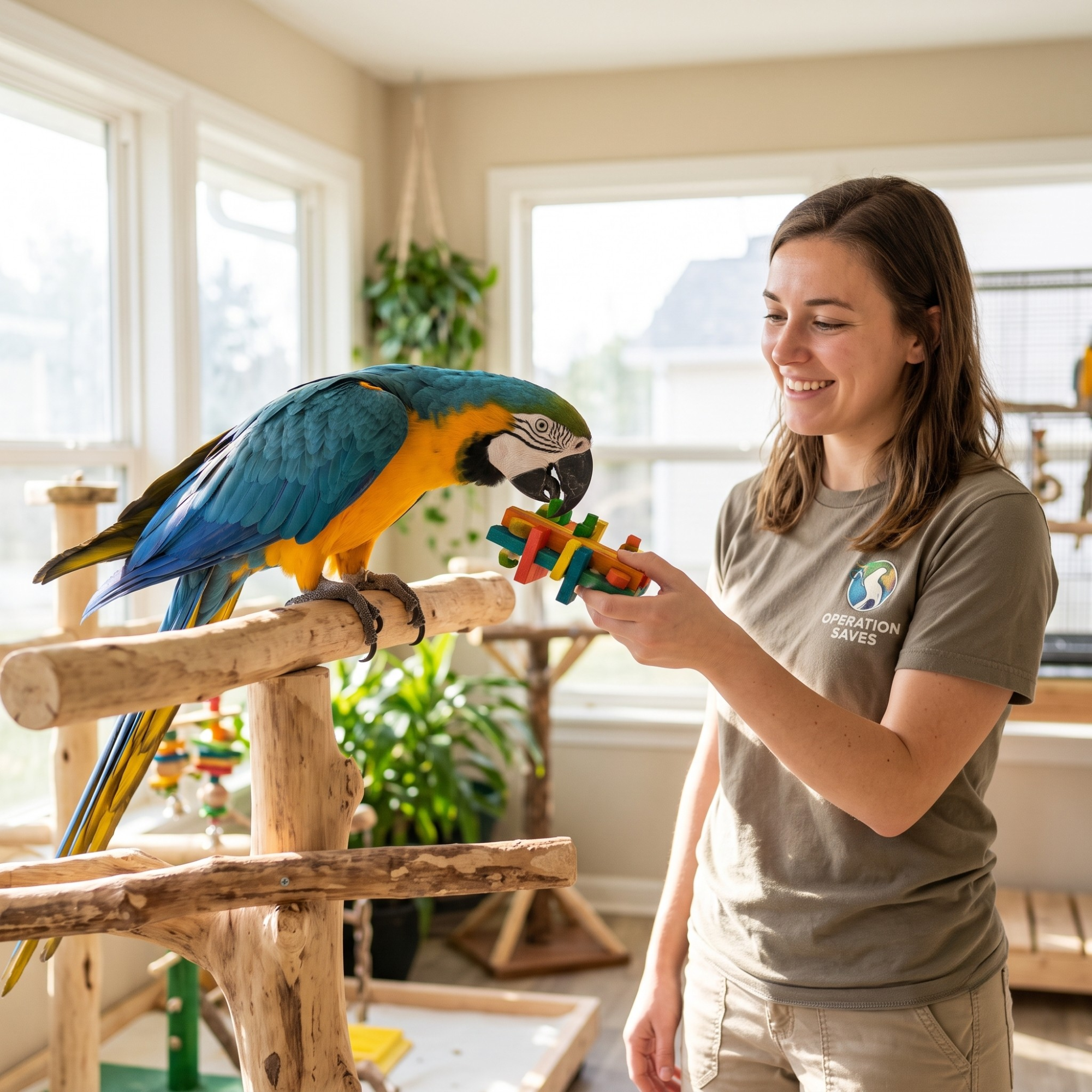
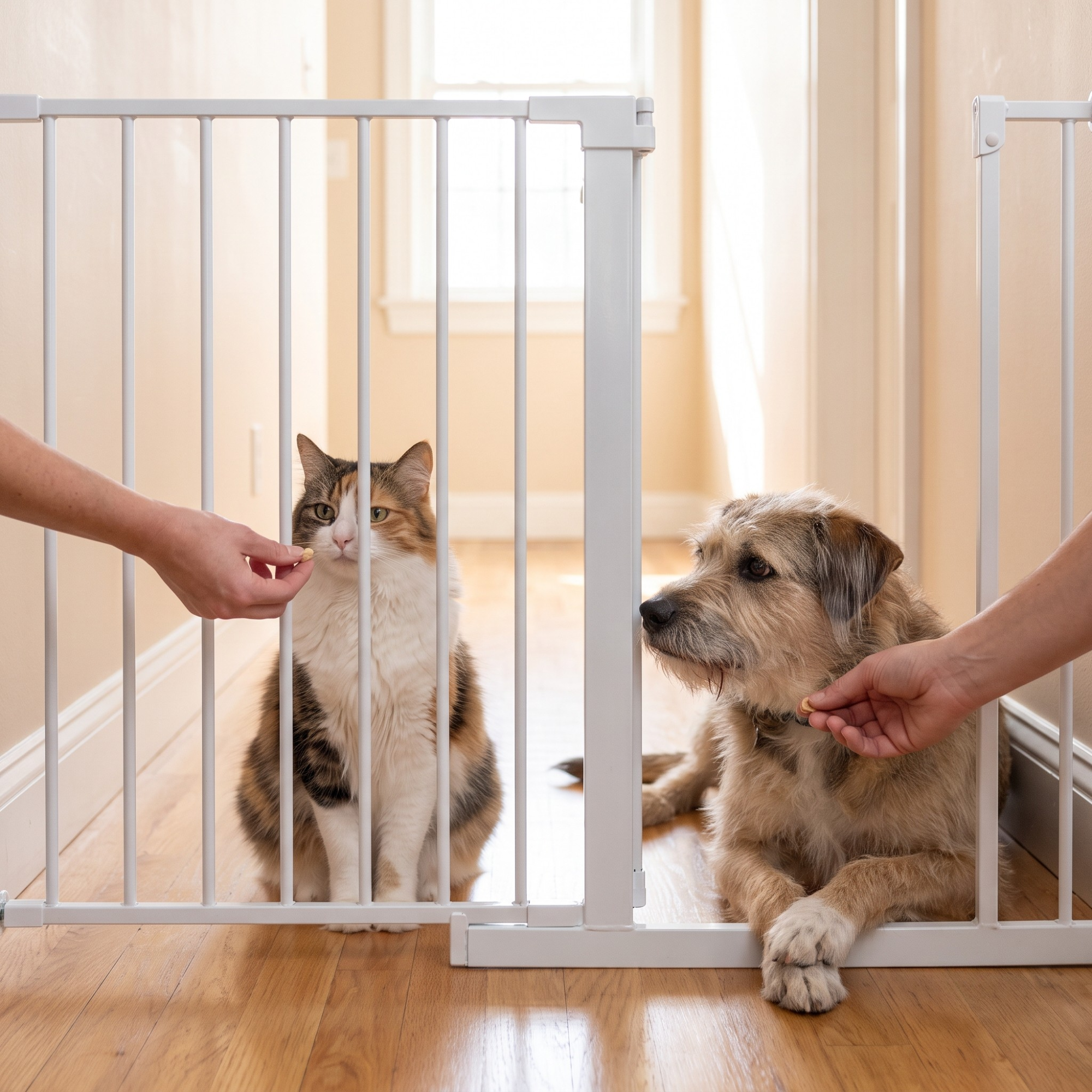
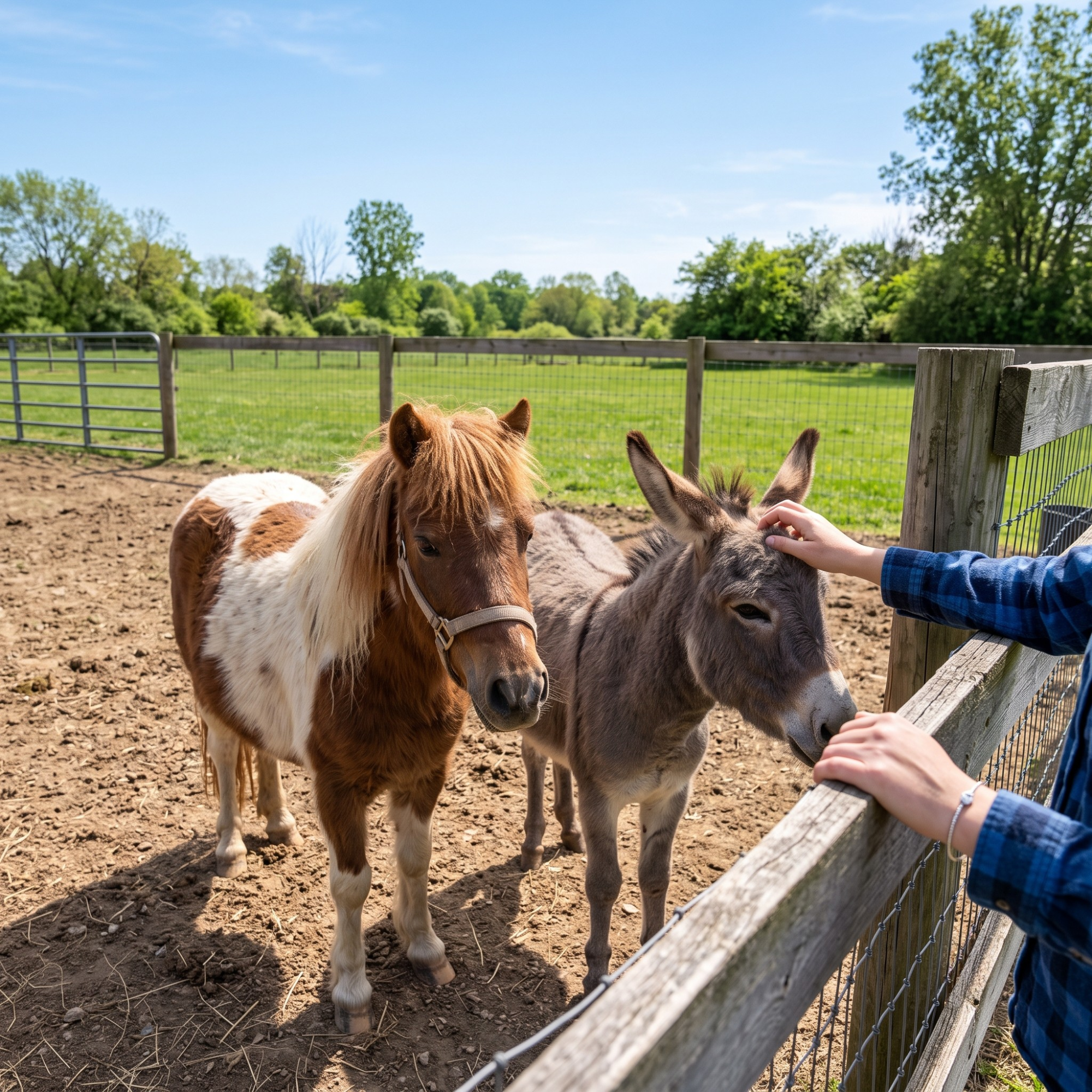
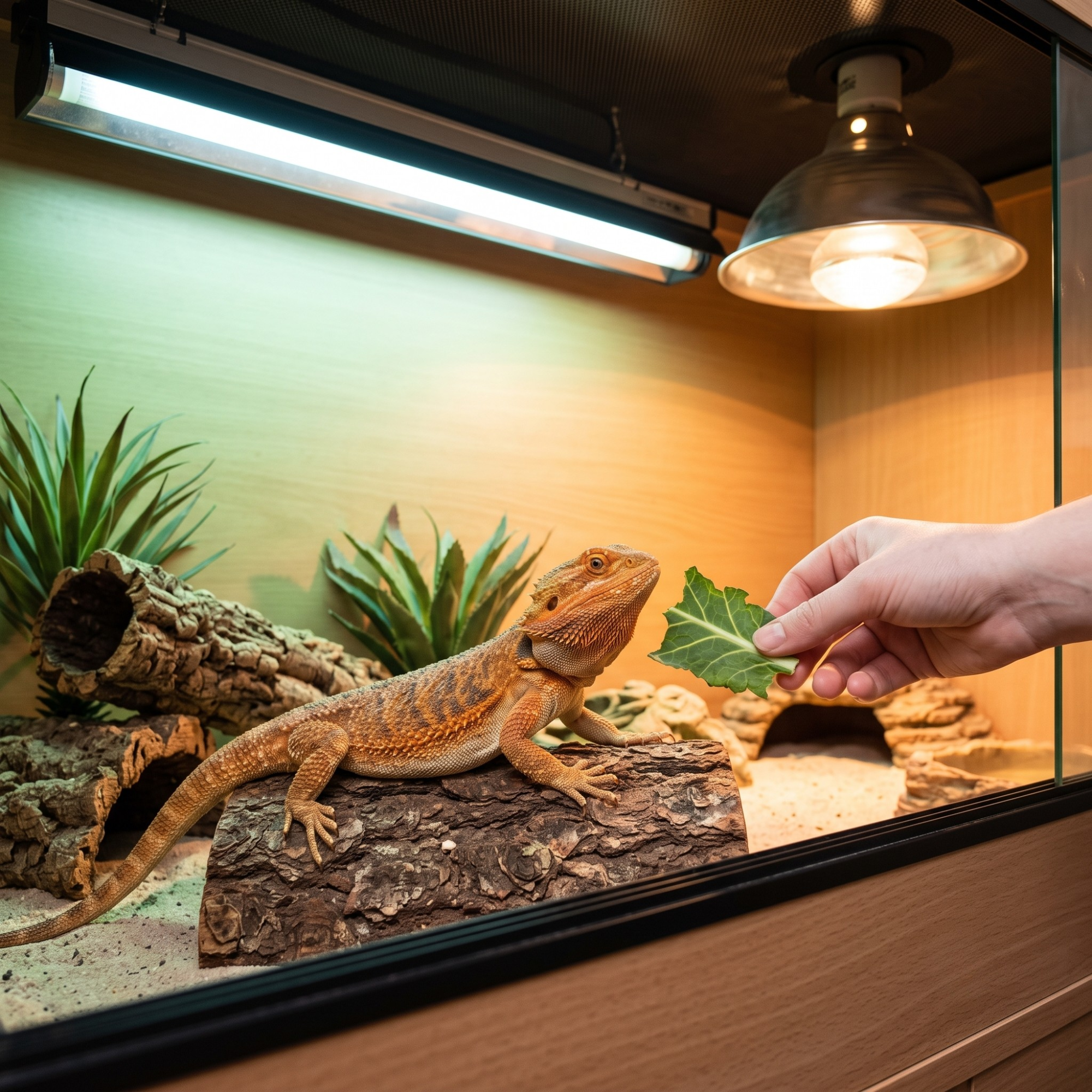
Here at the Operation Saves sanctuary, we see the profound loyalty that rescue animals have to offer. However, because many shelter pets have experienced abandonment, multiple rehomings, or significant disruptions in their lives, the fear of being left behind is very real. While we most commonly associate separation anxiety with dogs, rescue cats, and even highly social animals like our resident cockatoos and pigs, can struggle when their favorite humans disappear.
If your new pet panics when you grab your keys, or if you return home to chewed doorframes and neighbor complaints about barking, you are not alone. Here are our top practical tips for helping your pet overcome separation anxiety.
Recognize the True Signs of Anxiety
Before you can treat the problem, you need to make sure you aren’t just dealing with a bored pet with too much energy. True separation anxiety is a panic response. Look for these common indicators:
- Pre-Departure Pacing and Panting: Your pet becomes visibly distressed, drools excessively, or paces the moment you start getting ready for work.
- Vocalization: Non-stop howling, barking, or crying that begins immediately after you close the door.
- Destructive Escape Attempts: Chewing or scratching at windows, doors, and exit points.
- Inappropriate Elimination: A fully house-trained pet suddenly having accidents indoors, but only when left alone.
Desensitize Your Departure Triggers
Pets are masters of observation. They know that putting on shoes, grabbing a purse, and jingling keys means you are leaving. To lower their anxiety, you need to break the association between these triggers and your absence.
- Practice “Fake Outs”: Several times a day, put on your coat and shoes, grab your keys, and then simply sit on the couch and watch TV.
- Jingle and Stay: Pick up your keys, walk to the door, touch the doorknob, and then walk back to the kitchen to make a coffee.
- The Goal: Over time, these actions will become boring to your pet, reducing the panic that usually builds before you even step outside.
Keep Departures and Arrivals Low-Key
It is incredibly tempting to give your pet a long, emotional hug before you leave and to throw a highly energetic greeting party the second you walk back in the door. Unfortunately, this makes your absence a huge, stressful event.
- The 5-Minute Rule: Ignore your pet for the first 5 minutes after you arrive home. Wait for them to completely settle down and stop jumping or whining before you calmly pet them.
- Calm Exits: When leaving, simply walk out the door. No dramatic goodbyes. This teaches your pet that coming and going is a normal, non-threatening part of the day.
Create a Safe Haven with High-Value Enrichment
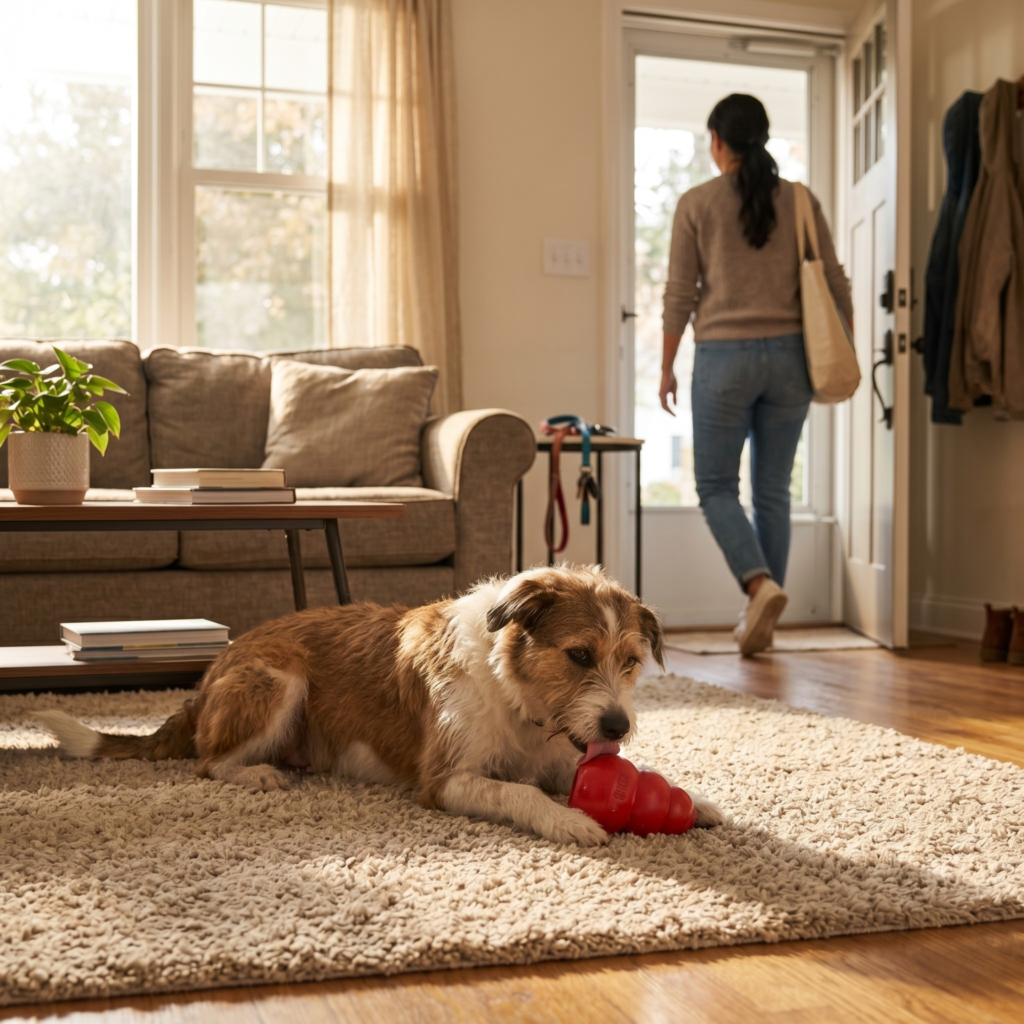
Your pet needs a positive association with being left alone. A comfortable, pet-proofed space combined with an engaging distraction works wonders.
- Stuffed and Frozen Toys: Invest in sturdy, hollow rubber toys (like a Kong). Stuff them with dog-safe peanut butter, wet food, or plain yogurt, and freeze them overnight. Give this to your dog only when you leave.
- Lick Mats and Puzzles: For cats and dogs alike, lick mats smeared with tasty treats promote licking, which naturally releases calming endorphins in their brains.
- Remove the Toy Upon Return: When you get home, immediately pick up the special enrichment toy. This makes your absence the only time they get their absolute favorite treat.
The Operation Saves Dual Mission Tie-In
Managing pet anxiety requires structure, patience, and lots of enrichment preparation—skills that perfectly align with our community outreach programs. At our Toledo sanctuary, the at-risk youth and individuals with disabilities in our programs are heavily involved in “enrichment prep.” By stuffing Kongs, building foraging puzzles for our birds and pigs, and practicing calm entering and exiting with our animals, our participants learn the value of routine, emotional regulation, and non-verbal communication. It is a beautiful cycle where helping the animals cope with stress simultaneously builds vital life skills for our community members.
Need More Support? We’re Here to Help
Managing separation anxiety takes time, but the reward of a calm, confident pet is worth every minute. If you want to support the ongoing rehabilitation of the animals in our care, or if you’re ready to find a new best friend, connect with us today!
- View Our Adoptable Pets to see the incredible animals waiting for their forever homes.
- Make a Donation to help us purchase heavy-duty chew toys, lick mats, and enrichment puzzles for our sanctuary residents.
- Submit a Volunteer Application to join our team and help prep daily enrichment for our diverse shelter family.
Disclaimer: All potential adopters are subject to an extensive application and approval process to ensure proper placement and care for our animals. The information provided in our blog is for educational purposes and is not a substitute for professional veterinary or certified training advice. Severe separation anxiety may require the intervention of a certified behavioral consultant or medication prescribed by your veterinarian.