


When a malnourished or stressed rescue pet arrives at your home, the food you put in their bowl is the very first step in their physical and emotional healing.
By learning to decode the confusing marketing jargon on pet food labels, you can confidently choose the high-quality nutrition your Northwest Ohio rescue pet needs to truly thrive.
Here at Operation Saves, we see animals arrive in all sorts of conditions. Many of the dogs and cats that come through our Toledo sanctuary doors are underweight, suffering from dull coats, or experiencing severe gastrointestinal upset due to the stress of displacement. For these vulnerable animals, food is not just sustenance; it is medicine.
However, walking down the aisle of a pet supply store can be incredibly overwhelming. With hundreds of bags boasting claims like “natural,” “premium,” and “holistic,” how do you know what is actually inside the bag? If you have just adopted a rescue pet and want to support their recovery, here is our foundational guide to decoding pet food labels and choosing the right diet for your new best friend.
The Ingredient List: Quality Over Quantity
Just like human food, the ingredients on a pet food label are listed in descending order by weight. Because animals in recovery need bioavailable, easily digestible nutrients, the first few ingredients are crucial.
- Look for Named Proteins: The first ingredient should ideally be a specifically named meat source, such as “Chicken,” “Beef,” or “Salmon.” Avoid generic terms like “Meat” or “Poultry,” as these can be inconsistent and poorly sourced.
- Understanding “Meals”: Do not be afraid of the word “meal” if it is preceded by a named protein (e.g., “Chicken Meal”). This simply means the fresh meat has been cooked down to remove the water weight, resulting in a highly concentrated, excellent source of protein. Avoid generic “Meat Meal” or “Animal By-Product Meal.”
- Avoid Artificial Dyes: Dogs and cats do not care what color their kibble is! Bright red and green pieces are dyed strictly to appeal to humans and offer no nutritional value to a healing pet.
Decoding the Guaranteed Analysis
The Guaranteed Analysis is a chart on the back of the bag that lists the minimum or maximum percentages of four key nutrients: crude protein, crude fat, crude fiber, and moisture.
- Protein and Fat: A rescue dog or cat that needs to gain weight and rebuild muscle will often benefit from higher protein and fat percentages. Conversely, a senior pet or one recovering from orthopedic surgery might need lower fat to prevent unnecessary weight gain on their joints.
- Fiber for Digestion: Rescue pets often have sensitive stomachs from stress or past parasites. A diet with an appropriate amount of dietary fiber (often from sources like pumpkin or sweet potato) can help firm up loose stools and regulate their digestive tract.
The AAFCO Statement: Your Baseline for Safety
The Association of American Feed Control Officials (AAFCO) establishes the nutritional standards for complete and balanced pet foods. Somewhere on the bag, you should find a small statement verifying the food’s nutritional adequacy.
- Complete and Balanced: This phrase means the food contains all the essential vitamins and minerals your pet needs, so you do not have to purchase extra supplements.
- Check the Life Stage: The AAFCO statement will specify if the food is formulated for “Adult Maintenance,” “Growth and Reproduction” (puppies/kittens and pregnant mothers), or “All Life Stages.” A heavily malnourished adult rescue might temporarily benefit from an “All Life Stages” or puppy formula for the extra calories, but you should always consult your vet first.
Wet vs. Dry: What is Best for a Healing Pet?
Both wet and dry foods have their place in a rescue pet’s recovery journey. Dry kibble is convenient, cost-effective, and great for puzzle toys. However, canned wet food is incredibly high in moisture, which is vital for cats (who naturally have a low thirst drive) and highly stressed dogs who may not be drinking enough water. A great compromise is feeding a high-quality kibble topped with a spoonful of wet food or a splash of pet-safe, sodium-free bone broth to entice a nervous eater.
The Operation Saves Mission: Measuring Out Love
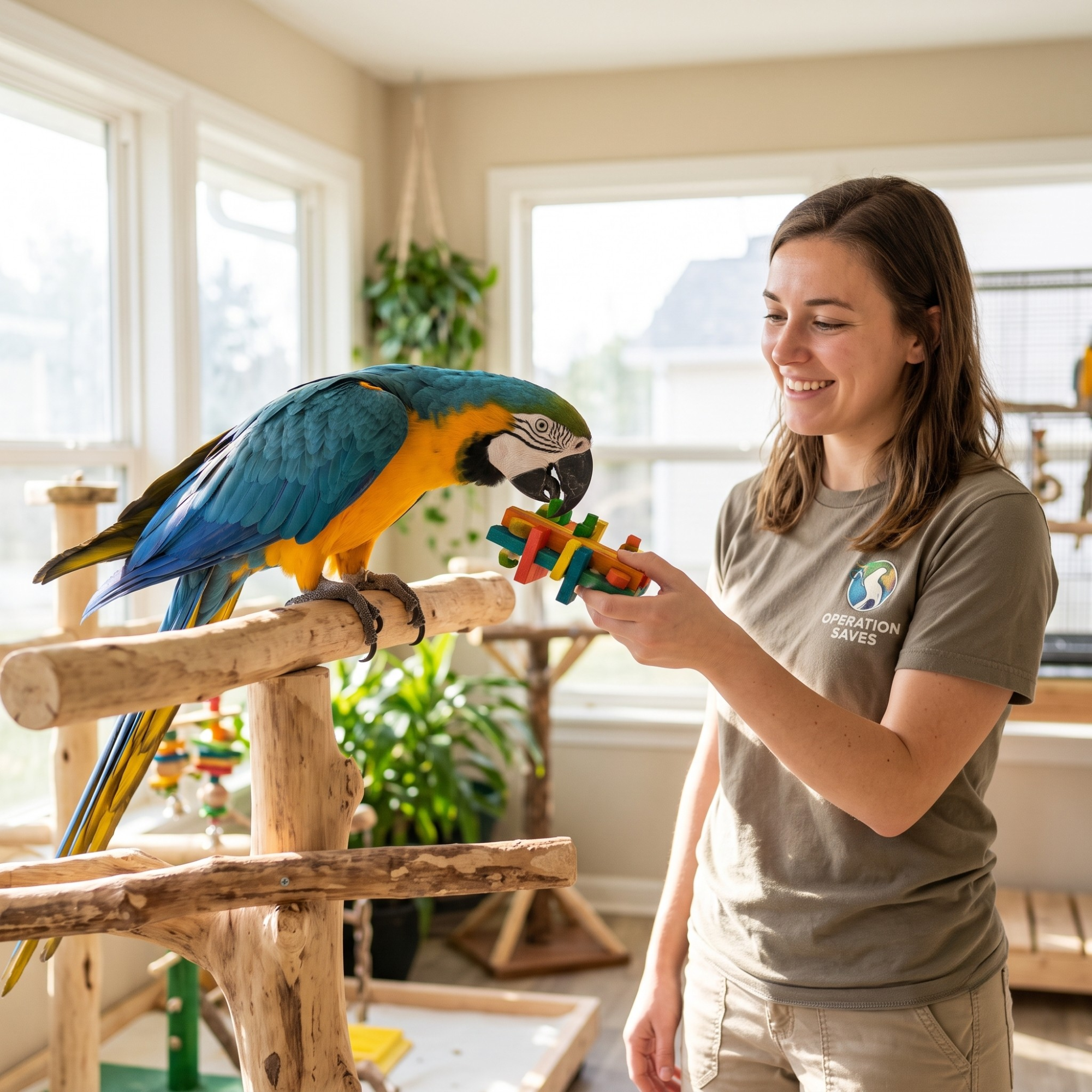
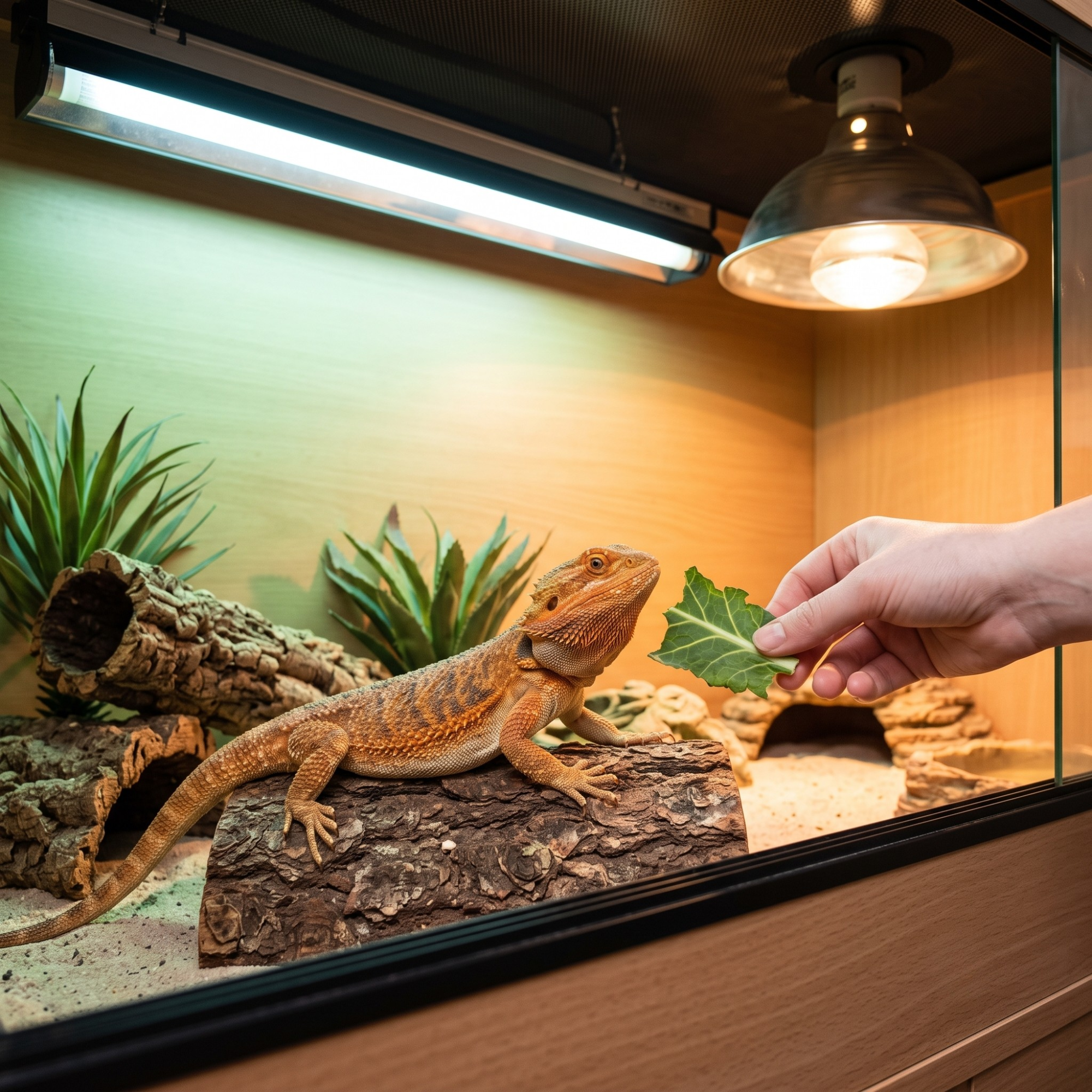
Managing the highly specific diets of our massive sanctuary population is a complex daily task, and it is a core component of our community outreach programs. From measuring out senior dog kibble and feline wet food to prepping precise vitamin-rich salads for our tortoises and pigs, the at-risk youth and individuals with disabilities in our programs learn incredible attention to detail. By reading labels, measuring portions, and ensuring every animal gets the exact nutrition they need, our participants build practical math and vocational skills while experiencing the profound joy of nursing a vulnerable animal back to health.
Ready to Help Fill a Bowl?
A high-quality diet is the foundation of a long, happy life. If you are ready to bring a healthy, happy companion into your home, or if you want to support our massive daily feeding operations, we would love your help!
- View Our Adoptable Pets to find a furry friend who is ready to share dinner time with you.
- Submit a Volunteer Application to join our daily feeding crew and learn hands-on animal husbandry.
- Make a Donation to help us purchase the high-quality, specialized diets required to rehabilitate our most fragile sanctuary arrivals.
Disclaimer: All potential adopters are subject to an extensive application and approval process to ensure proper placement and care for our animals. The information provided in our blog is for educational purposes and is not a substitute for professional veterinary advice. Always consult your licensed veterinarian before making significant changes to your pet’s diet or if your pet is experiencing ongoing digestive issues.