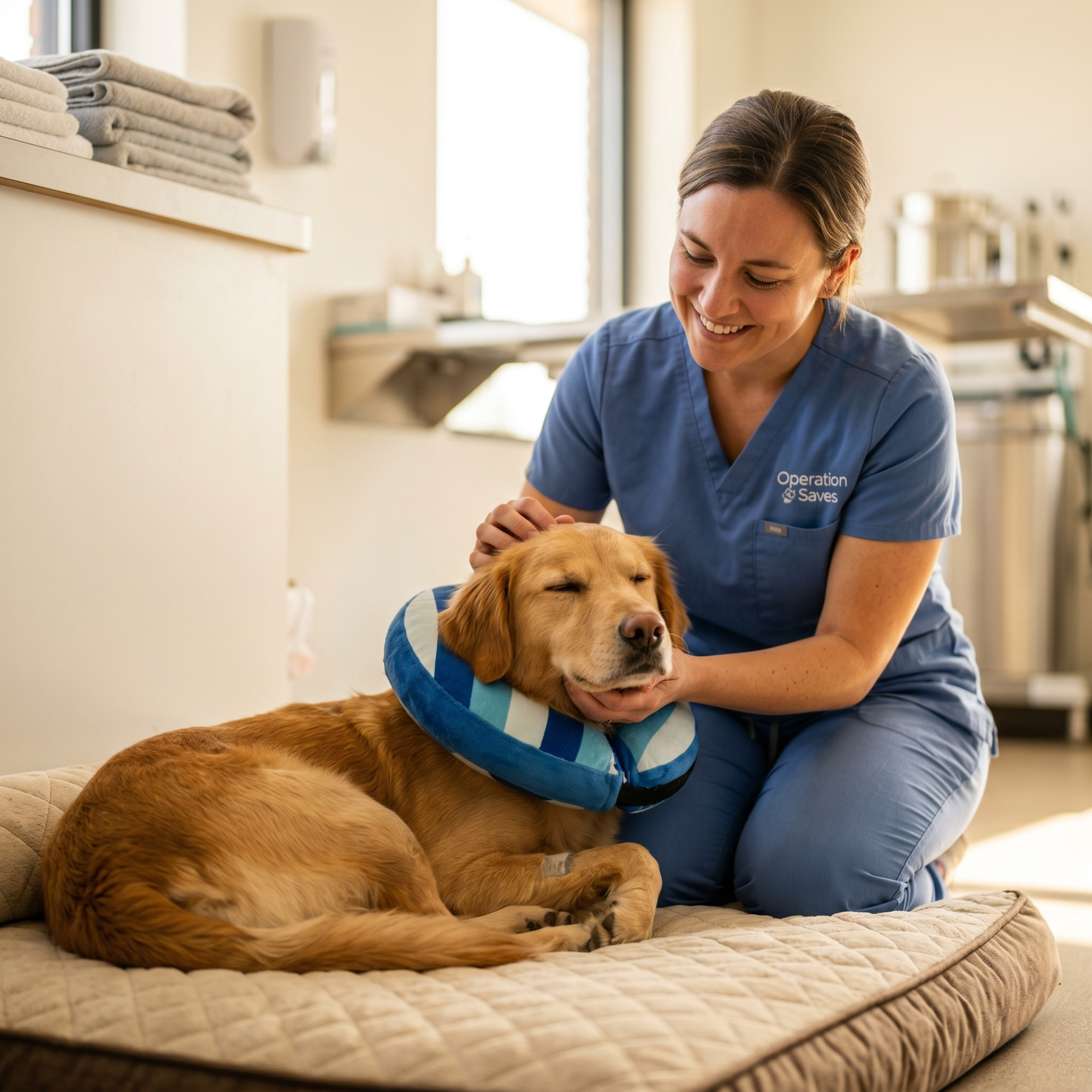


Bringing a new rescue dog into a home that already has pets is incredibly exciting, but rushing the introduction can lead to long-lasting behavioral friction.
By taking a slow, structured, and patient approach, you can set your new addition and your resident pets up for a lifetime of harmonious companionship right here in Northwest Ohio.
Here at Operation Saves, we love nothing more than seeing our rescue animals join large, loving, multi-pet families. However, we also know that expecting animals to instantly become best friends the moment they meet in the living room is a recipe for disaster. Animals are highly territorial and rely on routine to feel secure. Tossing a new, stressed rescue dog into the mix disrupts the entire household dynamic.
Whether you are introducing a new dog to your resident canine companion or trying to safely integrate them with your wary household cats, the key to success is moving at the animals’ pace, not yours. Here is our foundational guide to managing those crucial first few weeks of a multi-pet integration.
The Power of Scent Swapping
Before the animals even see each other, they should smell each other. This is especially important when introducing a new dog to resident cats, who are highly sensitive to environmental changes.
- The Towel Trick: Take a clean towel or blanket and rub it gently on your new rescue dog. Place that towel near your resident pet’s food bowl or bed, and vice versa.
- Create Positive Associations: When your resident pets smell the new dog’s scent, offer them a high-value treat. You want them to learn that this new, unfamiliar smell predicts good things happening!
Neutral Territory is Non-Negotiable
If you are introducing a new dog to a resident dog, never do it inside your house or in your fenced backyard. Your resident dog views that space as their exclusive territory.
- The Parallel Walk: Have two handlers take the dogs to a neutral location, like a quiet Toledo neighborhood sidewalk or a nearby park. Start walking them in the same direction, on opposite sides of the street.
- Slowly Close the Gap: As both dogs relax, sniff the grass, and stop fixating on each other, slowly decrease the distance between them. Eventually, allow them to walk side-by-side. This shared activity builds camaraderie without the pressure of a face-to-face standoff.
Slow and Steady Indoor Integration
Once you are home, physical separation is your best friend. The “crate and rotate” method ensures everyone stays safe while they decompress.
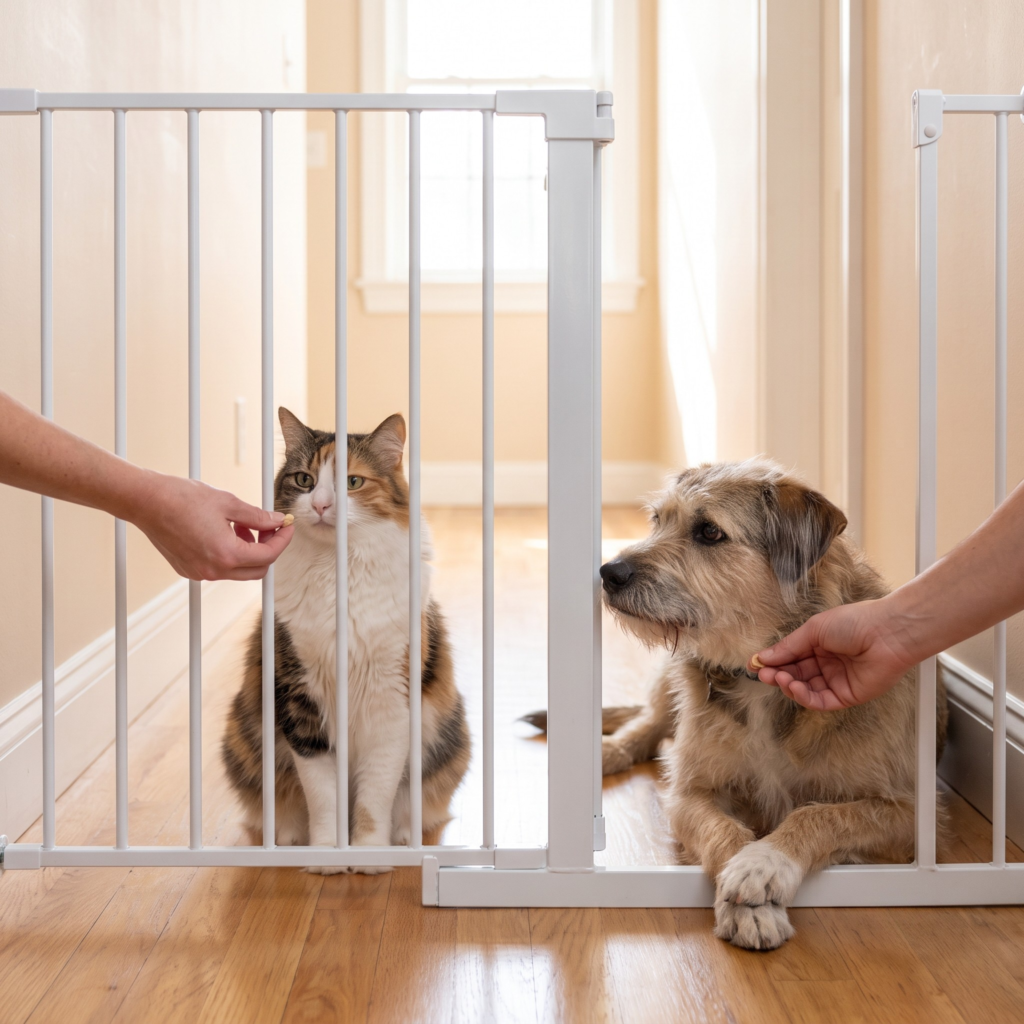
- Utilize Baby Gates: Keep the new dog in a separate room blocked by a sturdy baby gate. This allows the animals to see and hear each other safely without the risk of a physical altercation.
- Short, Supervised Sessions: When you finally allow them in the same room, keep the new dog dragging a leash so you can easily step on it if you need to intervene. Keep these interactions short—just five to ten minutes to start—and end on a positive note before anyone gets overly excited or cranky.
Managing Resources and Preventing Guarding
The fastest way to ruin a new relationship between pets is to force them to compete for resources.
- Separate Mealtimes: Feed the new dog and the resident pets in completely separate rooms behind closed doors. Pick up the bowls as soon as they are finished to prevent any guarding behavior.
- Put Away the Toys: During the first few weeks, remove all high-value chew bones, squeaky toys, and tennis balls from the common areas. Reintroduce them slowly only when you are completely confident in the dogs’ body language and shared tolerance.
The Operation Saves Mission: Respecting Boundaries
Learning how to safely manage animal introductions is a critical skill we teach in our community outreach programs. When the at-risk youth and individuals with disabilities in our job training program help us evaluate how a new shelter dog interacts with other dogs, they are practicing high-level observation. By watching for stiff body language, learning to utilize baby gates, and understanding the importance of taking things slowly, our participants learn the value of respecting personal boundaries. It reinforces the idea that healthy relationships—whether animal or human—are built on trust, space, and mutual respect.
Ready to Expand Your Furry Family?
Patience during the introduction phase pays off with years of beautiful companionship. If your resident pets are ready for a new sibling, or if you want to support our mission of safely housing and evaluating hundreds of animals, we are here for you!
- View Our Adoptable Pets to read the bios of our dogs and see who might be a great match for your current pack.
- Submit an Adoption Application to start the conversation with our matchmaking team.
- Make a Donation to help us purchase sturdy baby gates, high-value training treats, and enrichment tools for our sanctuary.
Disclaimer: All potential adopters are subject to an extensive application and approval process, which often includes a mandatory meet-and-greet with resident dogs. The information provided in our blog is for educational purposes and is not a substitute for professional certified dog training advice. If your pets are showing signs of aggression, separate them immediately and consult a certified behavioral consultant.