

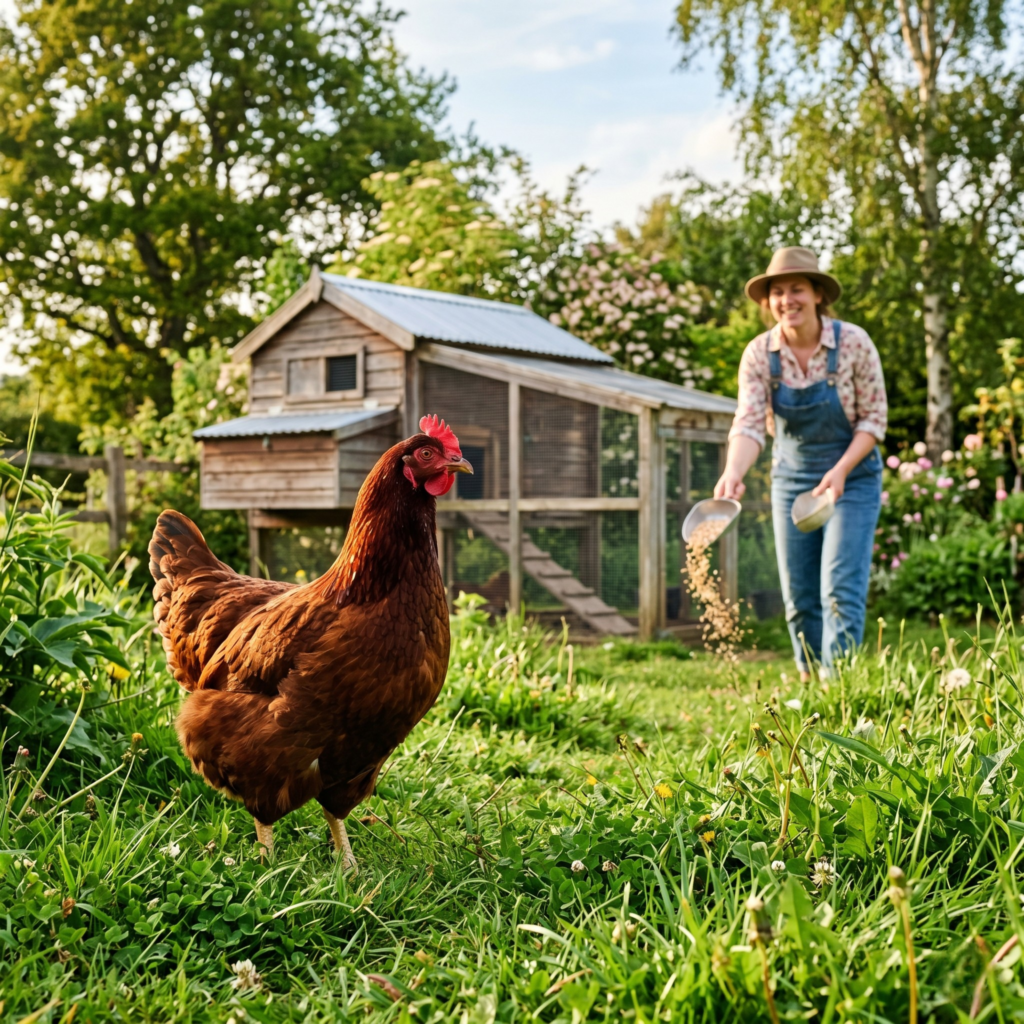
Welcoming rescue chickens into your backyard flock is an incredibly rewarding way to embrace a slice of sanctuary life right at home.
Whether you are expanding an existing coop or starting your very first flock here in Northwest Ohio, proper care is the key to happy, thriving hens.
We see a lot of farm animals come through the gates of our Operation Saves sanctuary, and chickens are some of the most frequent arrivals. Often, these birds come from neglectful situations, large-scale agricultural operations, or are surrendered when their previous owners underestimate the commitment. Providing a safe haven for rescued hens not only gives them a beautiful second chance but also offers you wonderful benefits: natural pest control, fresh eggs, and surprisingly affectionate, quirky companionship.
If you are thinking of adopting feathered friends, here is our foundational guide to keeping your rescue chickens happy, healthy, and safe.
Secure the Coop: Predator-Proofing is Non-Negotiable
Here in Northwest Ohio, our backyards are shared with raccoons, foxes, hawks, stray animals, and neighborhood pets. A standard, flimsy chicken wire fence is not enough to keep a determined predator out.
- Use Hardware Cloth: Replace standard chicken wire with 1/2-inch galvanized hardware cloth on all coop windows, vents, and runs.
- Bury the Perimeter: Dig a trench and bury your fencing at least 12 to 18 inches into the ground to prevent digging predators from tunneling under the run.
- Lock It Up: Use complex latches (like carabiners or padlocks) on coop doors and nesting boxes. If a toddler can open the latch, a raccoon easily can too.
Proper Nutrition for Healing Hens
Rescue chickens often arrive at our sanctuary undernourished, missing essential vitamins, or recovering from the stress of their previous environment. Getting them on a proper diet is step one of their rehabilitation.
- Quality Feed: Provide a high-quality layer pellet or crumble, which contains the specific calcium and protein balances necessary for healthy birds and strong eggshells.
- Fresh Water: Chickens drink a lot of water! In our freezing Toledo winters, invest in a safe, heated waterer to prevent freezing. In the humid summers, provide shaded water and change it daily.
- Healthy Treats: Supplement their diet with leafy greens, mealworms, and safe vegetable scraps. Never feed chickens avocado skins/pits, raw beans, green potato skins, or moldy food, as these are highly toxic.
Space to Scratch and Socialize
Chickens are highly social flock animals. A single chicken will quickly become stressed, lonely, and depressed. We always recommend adopting at least three birds together to establish a healthy flock dynamic.
- Adequate Square Footage: Ensure your coop provides at least 3 to 4 square feet of indoor space per bird, and a minimum of 8 to 10 square feet per bird in the secure outdoor run.
- Roosts and Nests: Provide sturdy, wooden roosting bars for them to sleep safely off the ground, and one comfortable, private nesting box for every three to four hens.
Routine Health Checks
When you adopt a rescue chicken, they may need a little extra patience as they decompress. As they settle in, establish a routine to check for common ailments so you can catch issues early:
- Mites and Lice: Regularly check the base of their feathers, especially around the vent area, for external parasites.
- Bumblefoot: Inspect the pads of their feet for black scabs or swelling, which is a staph infection that requires soaking, cleaning, and sometimes veterinary treatment.
- Provide Dust Baths: Create a dry area in the run filled with dirt, sand, and a little wood ash or food-grade diatomaceous earth. Chickens use dust baths to naturally clean their feathers and smother parasites.
The Operation Saves Difference
At our farm sanctuary, caring for our resident flocks is a team effort. This daily care provides an incredible, hands-on learning environment for the at-risk youth and individuals with disabilities participating in our community outreach programs. By learning to gently handle, feed, and observe these birds, our participants build confidence, empathy, and valuable vocational skills.
When you choose to adopt your backyard flock from a rescue rather than buying from a hatchery, you aren’t just saving a hen. You are making room at our sanctuary for the next animal in need, and you are supporting a unique mission of human and animal empowerment right here in Toledo.
Ready to Welcome a Flock to Your Family?
If you have the space, the setup, and the heart to give rescue birds a second chance, we’d love to connect with you!
- View Our Adoptable Pets to see who is currently waiting for a home.
- Submit an Adoption Application to start the approval process.
- Make a Donation to help us provide feed, heated waterers, and veterinary care for our resident sanctuary flocks.
Disclaimer: All potential adopters are subject to an extensive application and approval process to ensure proper placement and care for our animals. The information provided in our blog is for educational purposes and is not a substitute for professional veterinary advice, especially from a certified avian or agricultural veterinarian.